
When a major issue hits, everyone has a view (though not everyone has something valuable to say). The fuel crisis has quickly become a broad, high-profile conversation across industry, government and media. For organisations looking to participate, the challenge is doing so in a way that adds value.
We’ve been especially conscious of this with so many clients across the agri supply chain. Producers are rightly getting a lot of attention. The impact on their businesses is big and real. But there’s a whole supply chain starting to feel the pinch, too, and it can be hard for the full breadth of industry to be seen and heard.
If your organisation is involved in just one sliver of industry, or if you’re smaller or geographically specific, you probably won’t be getting National Farmers Federation-style coverage, but that doesn’t mean you can’t be part of the conversation or that you can’t make a difference.
How? A few principles matter.
- Have something specific to say. The messages that land are grounded in real, immediate impact. Don’t talk about the general stuff that everyone already knows.
- Be clear on your outcome. Know whether you’re trying to influence policy, support your sector or inform stakeholders.
- Choose your partners carefully. Aligning with organisations that have greater reach or profile helps extend cut-through and credibility.
- Use real examples. Strong, practical stories still do the heavy lifting when it comes to engaging media and decision-makers.
- Stay coordinated. Consistency across channels and stakeholders is critical. Fragmented messaging weakens your position.
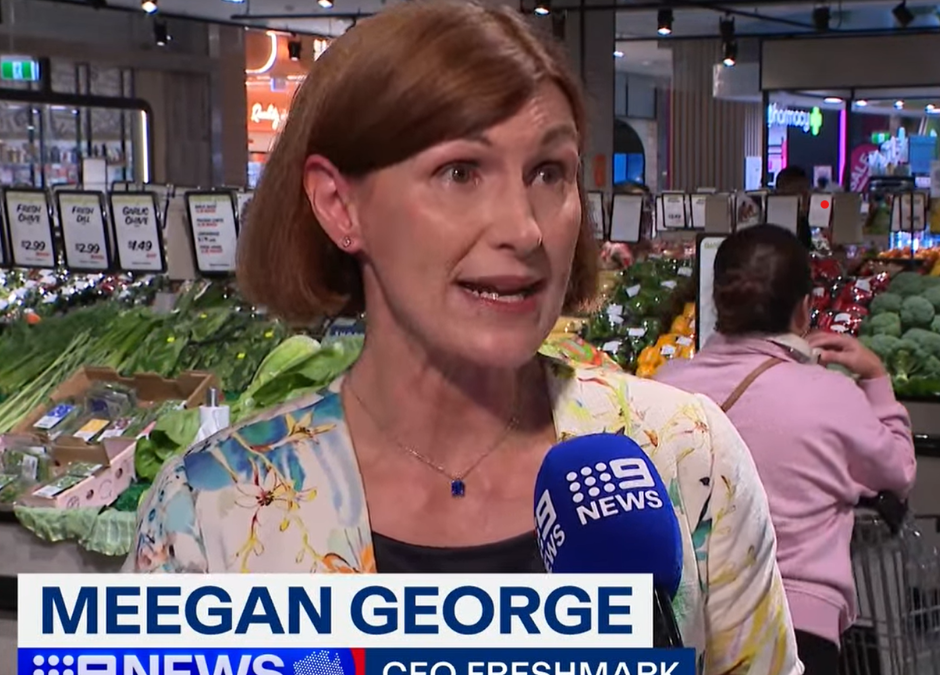
We’ve seen this play out in our work with Freshmark during the fuel crisis. Freshmark represents the fresh produce sector and has been doing some exceptional work aligning with other industry bodies and connecting with stakeholders to support both united messaging for industry and specific understanding of their own sector.
The focus has been on participating in the conversation in a disciplined way, rather than adding to the noise.
That has included:
- engaging directly with government and industry bodies
- creating targeted media opportunities, including TV news coverage
- keeping key stakeholders informed at the right moments, without overwhelming them
The organisations that navigate moments like this well are not the ones saying the most, they’re the ones saying the right thing, in the right place, at the right time.
The unfortunate reality is that even if the Middle East conflict ended today, there will be flow on impacts for months, so taking a strategic and coordinated approach to comms is important.
If you’re working through how to position your organisation in this or another complex, high-profile conversation, we’d be happy to talk.
Kendi Burness-Cowan